
When people hear the phrase african hunting safari, reactions are usually instant. Some imagine old-school adventure stories. Others picture controversy. And then there are those who are simply curious — what does it actually involve? Is it just about the hunt, or is there more to it?
Truth is, an african hunting safari isn’t a casual weekend trip. It’s structured, regulated, physically demanding, and deeply tied to land management systems in several African countries. And whether someone supports it or questions it, understanding what happens on the ground gives better perspective than assumptions ever could.
It’s Not Just “Show Up and Shoot”
One of the biggest misconceptions about an african hunting safari is that it’s quick and easy. In reality, most safaris involve days of tracking animals on foot, guided by professional hunters and local trackers who understand the terrain like second nature.
Tracking requires:
- Reading footprints and ground disturbance
- Studying wind direction
- Interpreting animal behavior
- Long hours under intense sun
It’s less about instant action and more about patience and fieldcraft. Many participants describe the experience as mentally demanding — even humbling — rather than adrenaline-driven.
The Conservation Side of the Story
Here’s where conversations get layered.
In certain countries, african hunting safari programs operate under strict government regulations. Quotas are set based on wildlife population data. Permits are issued for specific animals — often older males past breeding age. Revenue from these permits can contribute to:
- Anti-poaching patrols
- Wildlife habitat maintenance
- Community employment
- Infrastructure in remote conservation areas
This doesn’t erase ethical debates. But it does highlight that, in some regions, regulated hunting is integrated into broader wildlife management strategies.
Without revenue streams, some conservation lands risk being converted to farming or livestock use — permanently reducing wildlife habitat.
Local Community Involvement
An often-overlooked element of an african hunting safari is how many local jobs are involved. Professional guides, trackers, drivers, cooks, camp staff, and logistics coordinators all play roles.
In rural areas where tourism options are limited, safari operations can provide steady employment. Meat from legally harvested animals is sometimes distributed locally, supporting food access.
Again — it’s complex. But it’s not isolated from surrounding communities.
The Experience Beyond Hunting
Even critics often admit one thing: the landscapes are extraordinary.
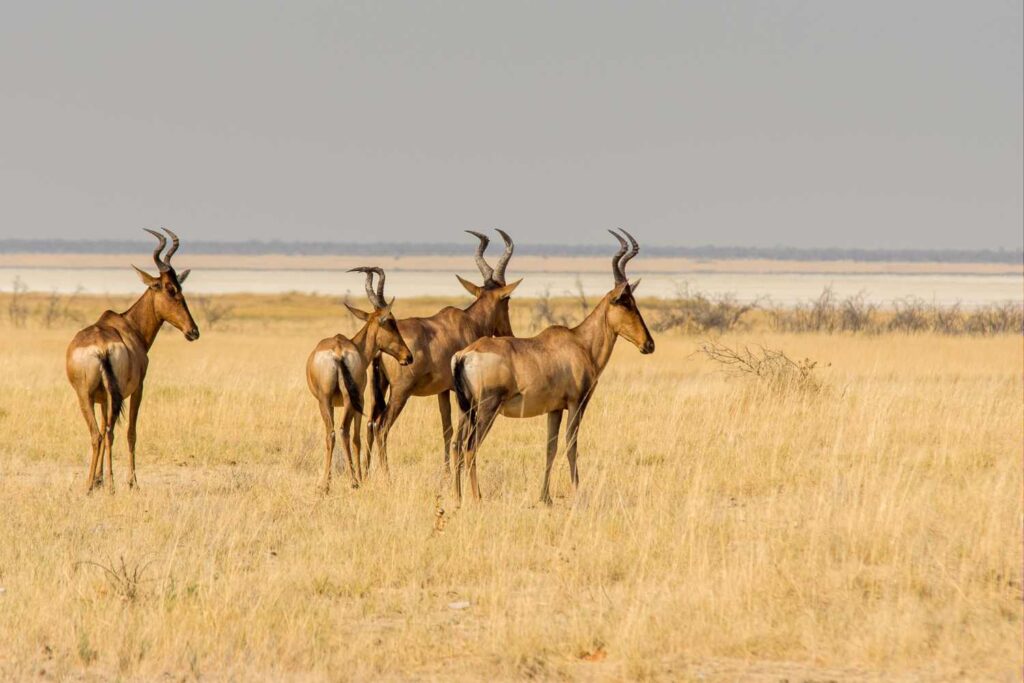
An african hunting safari takes place in environments that are raw and expansive — savannas, bushveld, river systems, and mountainous terrain. Participants spend long hours outdoors, disconnected from city life. Wildlife sightings, even non-target species, are part of the journey.
Many who go speak about reconnecting with nature, observing ecosystems closely, and gaining appreciation for wildlife behavior.
That doesn’t simplify the ethics — but it does add depth to the narrative.
Regulations and Ethical Standards
Reputable safari operators emphasize:
- Government-issued permits
- Strict quota compliance
- Fair-chase principles
- No canned or enclosed hunts
- Cooperation with conservation authorities
Illegal poaching is a separate and serious problem — and it directly threatens wildlife populations. Responsible safari operations operate under very different frameworks, though public perception often merges the two.
Understanding that distinction matters when discussing african hunting safari practices.
Ongoing Global Debate
There’s no denying that african hunting safari remains controversial internationally. Some advocate for photographic tourism as a full replacement. Others argue that certain remote regions cannot sustain large-scale eco-tourism infrastructure.
Wildlife management decisions vary country by country, shaped by ecology, economics, and governance structures.
The conversation isn’t simple — and oversimplifying it rarely leads to productive solutions.
Final Thoughts: Context Matters
When discussing african hunting safari, it’s important to move beyond stereotypes and look at context — conservation policies, local economies, wildlife science, and cultural traditions.
Whether someone ultimately supports or opposes the practice, informed discussion is more valuable than surface-level reaction. These ecosystems are fragile. The people living near them depend on them. And the future of wildlife conservation requires thoughtful, data-driven approaches.
The real focus, at the end of the day, should be this:
How do we protect Africa’s wildlife and landscapes sustainably for generations to come?
That’s the question worth exploring — no matter where someone stands.